
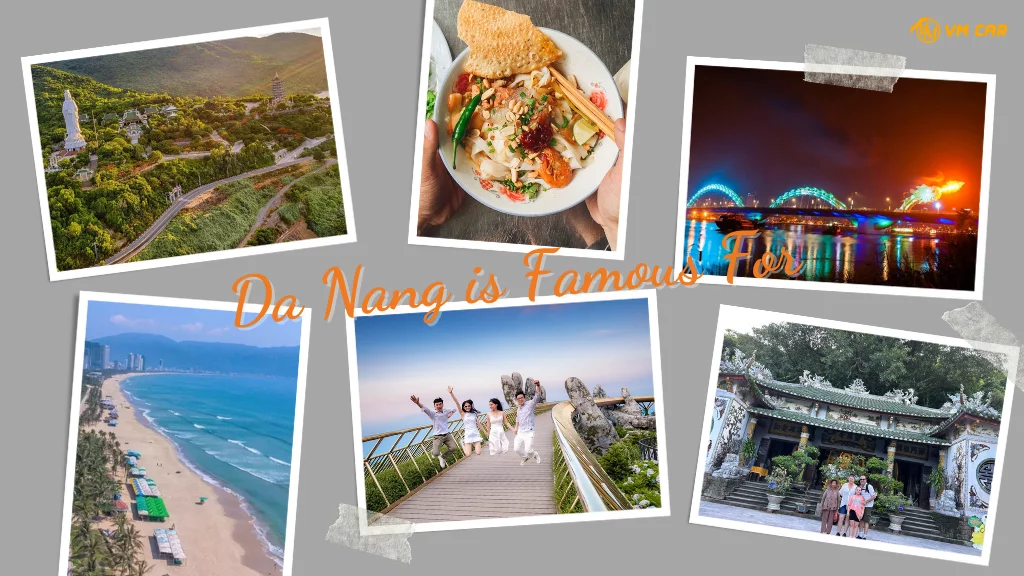
Da Nang is famous for its beautiful coastline, impressive attractions, rich cultural heritage, modern atmosphere, and diverse local cuisine. If you are wondering what is Da Nang famous for, join VM Car as we explore the experiences and unique qualities that make this coastal city such a memorable destination.
1. 6 things Da Nang is famous for
1.1 Long, clear sandy beaches along the coast
Da Nang is famous for its long stretches of clear, sandy beaches that run gracefully along the central Vietnamese coastline. My Khe Beach, Non Nuoc Beach, and Bac My An Beach are consistently praised for their soft white sand, gentle waves, and clean surroundings. These beaches are ideal for swimming, sunbathing, beach sports, and relaxed seaside walks, making them attractive to both domestic and international travelers.
Da Nang is well known for beaches that balance natural beauty with modern convenience. Beachfront roads are wide and scenic, lined with resorts, cafés, and seafood restaurants, allowing visitors to enjoy ocean views without losing easy access to the city center. Early mornings are calm and refreshing, while sunsets paint the sky with warm colors that reflect beautifully on the sea.

Unlike many overcrowded beach destinations, Da Nang is famous for maintaining a peaceful atmosphere even during peak travel seasons. The coastline remains open and welcoming, suitable for families, couples, and solo travelers alike. From sunrise yoga sessions to evening strolls by the water, the beaches form a defining part of Da Nang’s identity as a livable coastal city with a relaxed lifestyle.
1.2 The Dragon Bridge – Da Nang’s iconic city landmark
Da Nang is famous for the Dragon Bridge, an iconic architectural symbol that reflects the city’s modern spirit and cultural pride. Spanning the Han River, the bridge is shaped like a golden dragon, a powerful symbol in Vietnamese culture representing prosperity and strength. It has quickly become one of the most recognizable landmarks in central Vietnam.
Da Nang is well known for the Dragon Bridge’s unique weekend performances, when the dragon breathes fire and water in the evening. This free public show attracts locals and tourists alike, creating a lively atmosphere along the riverbanks. The bridge is especially impressive at night, illuminated by colorful lights that highlight its dramatic design.
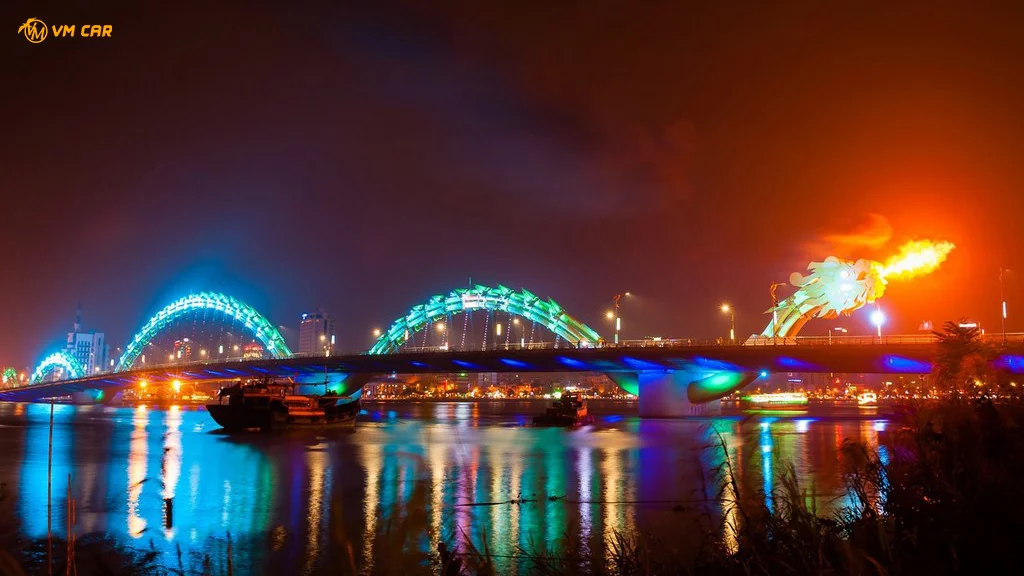
Beyond its visual appeal, Da Nang is famous for how the Dragon Bridge connects key parts of the city, improving traffic flow and urban development. It links the international airport area with the beach district, making travel smooth and convenient. The bridge represents Da Nang’s transformation into a dynamic, forward-looking city while still honoring traditional symbols and values.
1.3 The Marble Mountains – ancient peaks in harmony with nature
Da Nang is famous for the Marble Mountains, a cluster of five limestone and marble hills that rise dramatically from the coastal plain. Each mountain is named after one of the five elements, and together they form a site rich in natural beauty, spiritual meaning, and historical significance.
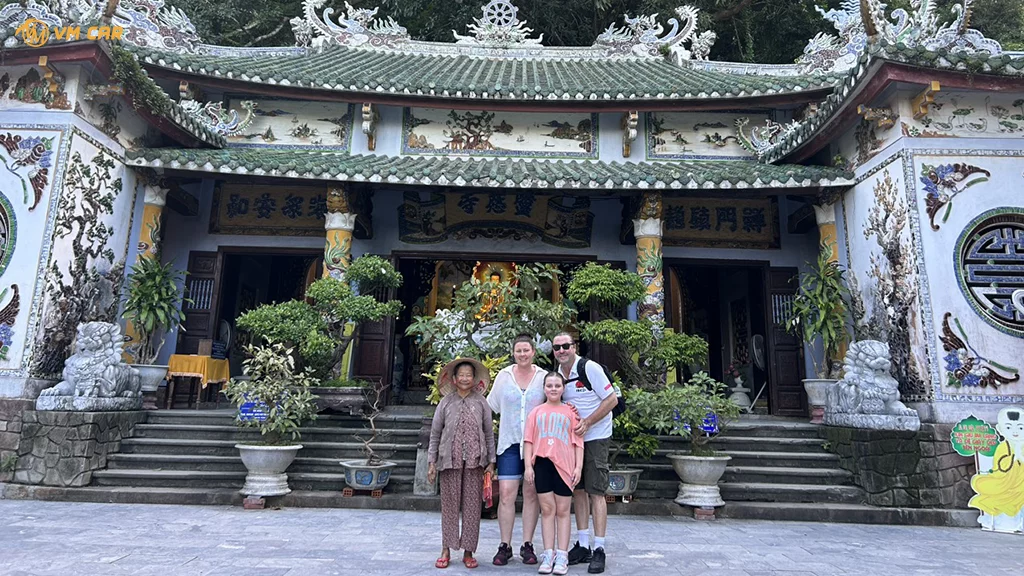
Da Nang is well known for the caves, tunnels, and ancient pagodas hidden within these mountains. Visitors can explore stone stairways leading to viewpoints with panoramic views of the coastline and surrounding countryside. Inside the caves, natural light filters through openings in the rock, creating a peaceful and almost mystical atmosphere.
Da Nang is famous for the Marble Mountains as a place where nature, religion, and history exist in harmony. Buddhist sanctuaries and centuries-old statues coexist with raw rock formations shaped by time. As one of the city’s most iconic landmarks, it is included in almost every Da Nang City tour itinerary. Despite being close to the city, the area feels calm and reflective, offering travelers a meaningful escape from urban life and a deeper understanding of Da Nang’s cultural roots.
1.4 Linh Ung Pagoda on Son Tra Peninsula – a sacred spiritual site
Da Nang is famous for Linh Ung Pagoda, located on the scenic Son Tra Peninsula overlooking the sea. This sacred site is home to the towering Lady Buddha statue, one of the tallest in Vietnam, standing gracefully and facing the ocean as a symbol of protection and peace.
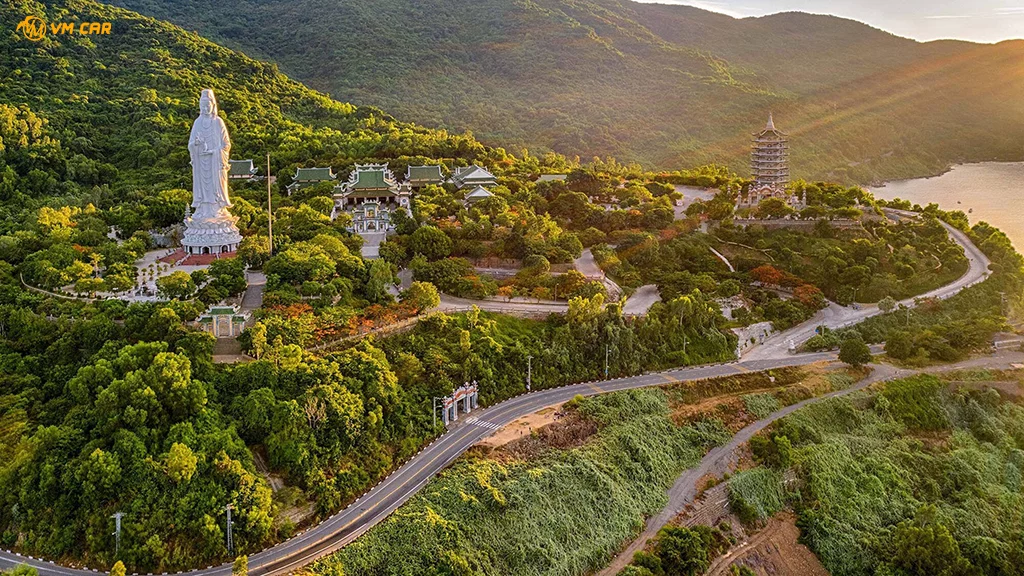
Da Nang is well known for the spiritual atmosphere of Linh Ung Pagoda, where visitors experience a sense of calm the moment they arrive. The temple grounds are carefully maintained, featuring traditional architecture, bonsai gardens, and open courtyards with sweeping views of the city and coastline below.
Da Nang is famous for Son Tra Peninsula as a destination that blends spirituality with natural beauty. Surrounded by lush forest and fresh sea air, Linh Ung Pagoda offers a meaningful cultural experience rather than just a sightseeing stop. It reflects the city’s respect for Buddhist traditions while highlighting Da Nang’s unique geography, where mountains, forests, and the sea meet in perfect balance.
If you’re lucky, you may see monkeys in the area, including rare endangered species such as the red-shanked douc langur. Encountering these unique animals in their natural habitat is a truly special and memorable experience.
1.5 Ba Na Hills and the Golden Bridge
Da Nang is famous for Ba Na Hills, a mountain resort complex known for its cool climate, European-style architecture, and stunning scenery. Located high above sea level, Ba Na Hills offers a refreshing escape from the coastal heat and a completely different atmosphere from the city below.
Da Nang is well known for the Golden Bridge, a world-famous landmark supported by giant stone hands that appear to rise from the mountains. This striking design has been widely shared across global media, quickly becoming one of Vietnam’s most photographed attractions. Walking across the bridge feels surreal, with clouds often drifting around visitors.
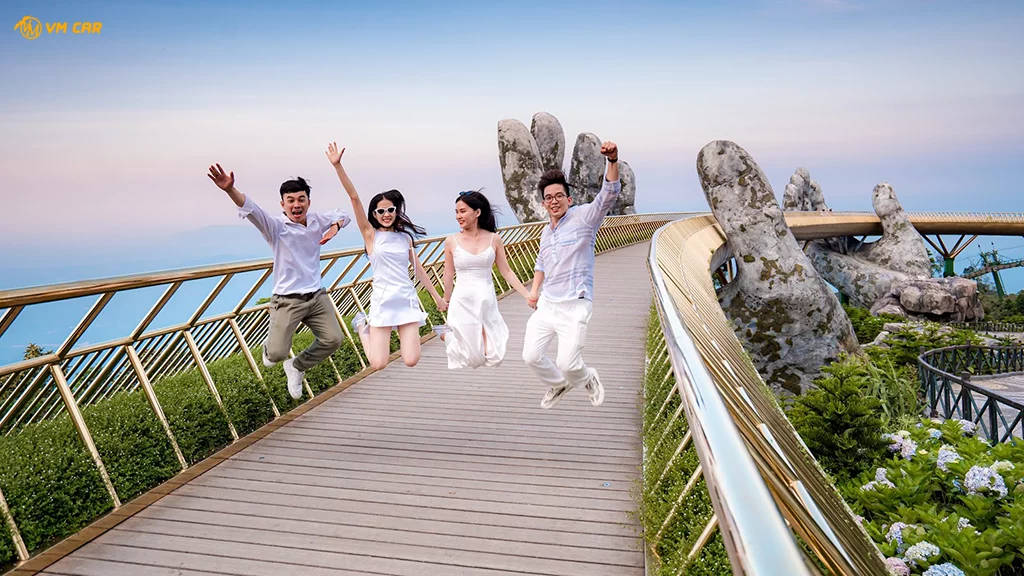
Da Nang is famous for Ba Na Hills as a symbol of modern tourism development combined with creative vision. The Ba Na Hills cable car offers breathtaking views of forests and waterfalls, while gardens, cultural zones, and entertainment areas provide diverse experiences. Together, Ba Na Hills and the Golden Bridge have helped place Da Nang firmly on the international travel map.
If you’d like to purchase Ba Na Hills tickets, feel free to contact VM Car via WhatsApp. We’ll be happy to provide free advice and help you choose the ticket option that best suits your trip.
1.6 Diverse local cuisine and fresh seafood
Da Nang is famous for its diverse local cuisine and fresh seafood, offering visitors a rich and authentic taste of central Vietnam. The city’s food culture reflects a balance of coastal freshness and traditional flavors, with dishes that are simple yet deeply satisfying. Local specialties such as Mi Quang, bun cha ca, and banh xeo highlight the use of fresh herbs, rice noodles, and well-seasoned broths that are distinctive to the region.
Da Nang is well known for its seafood, thanks to its long coastline and active fishing communities. Fish, shrimp, squid, clams, and crabs are brought in daily and prepared in a variety of styles, from grilled and steamed to stir-fried with local spices. Many seaside restaurants allow diners to choose live seafood, ensuring both freshness and quality.
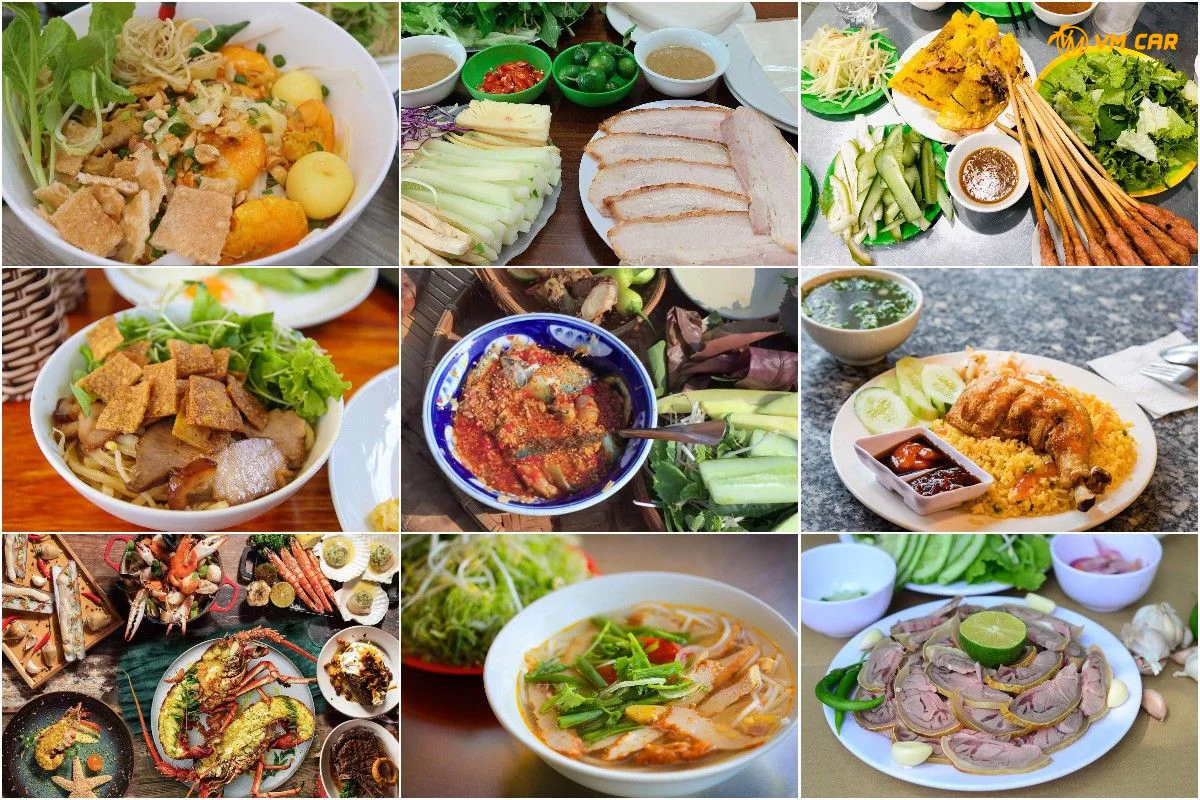
Beyond restaurants, Da Nang is famous for its vibrant street food scene, where small stalls and local markets serve flavorful dishes at affordable prices. Eating in Da Nang is not just about food, but about experiencing local life, friendly hospitality, and the relaxed rhythm of the city. Together, diverse local cuisine and fresh seafood make Da Nang a memorable destination for travelers who enjoy discovering culture through taste.
2. How to experience the things that make Da Nang famous
The best way to experience what makes Da Nang famous is to explore its beaches, cultural landmarks, natural attractions, and local cuisine. Start with My Khe Beach, then visit Linh Ung Pagoda, see the Lady Buddha, and continue to the Marble Mountains. You can also spend time at Ba Na Hills and try some of Da Nang’s delicious local specialties.
For a comfortable and flexible journey, a Da Nang private car↗ with an English-speaking driver is a convenient option. You can choose your own itinerary, travel between attractions comfortably, and spend as much time as you like at each place. The driver can pick you up from your hotel and take you directly to the attractions.
Alternatively, joining a Da Nang City Tour↗ is a good choice if you prefer a ready-made itinerary. A tour can combine several popular attractions in one day and usually includes a guide who can explain the local history and culture.
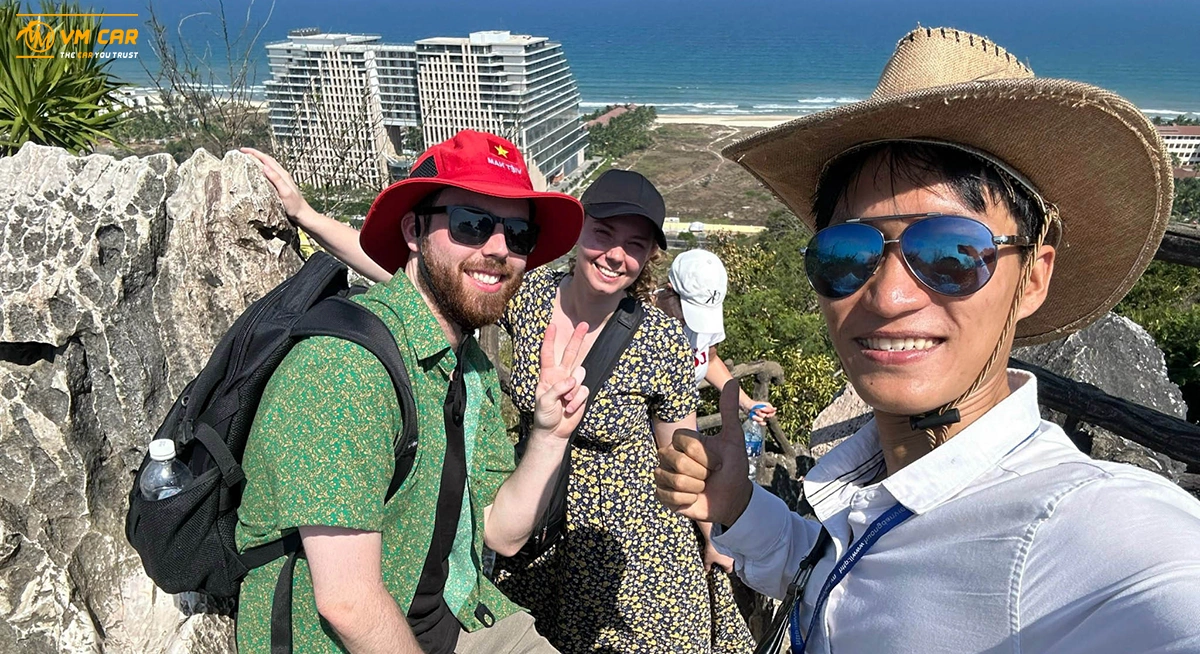
Whether you choose a Da Nang private car or a Da Nang tour, planning your itinerary in advance will help you experience more of the attractions and local flavors that make Da Nang one of Vietnam’s most popular destinations.
3. Conclusion
In answering what is Da Nang famous for, the city clearly stands out for its stunning beaches, iconic landmarks, spiritual sites, rich cuisine, and prime central location. Together, these highlights show why Da Nang is famous for offering both natural beauty and cultural depth, making it a truly wonderful destination for every traveler. We hope this guide has helped you plan your trip, and if you’re looking for a comfortable way to explore the city’s top attractions, VM Car is always ready to accompany you with reliable private car services.